<br />
<b>Warning</b>:  Undefined variable $page in <b>/home/azurwinetourscom/public_html/themes/azurwinetours/modules/blog/front/fiche-blog.php</b> on line <b>165</b><br />
<br />
<b>Warning</b>:  Trying to access array offset on value of type null in <b>/home/azurwinetourscom/public_html/themes/azurwinetours/modules/blog/front/fiche-blog.php</b> on line <b>165</b><br />
Our blog
2025 November 04

When Provence Reveals the Hidden Soul of Its Wines

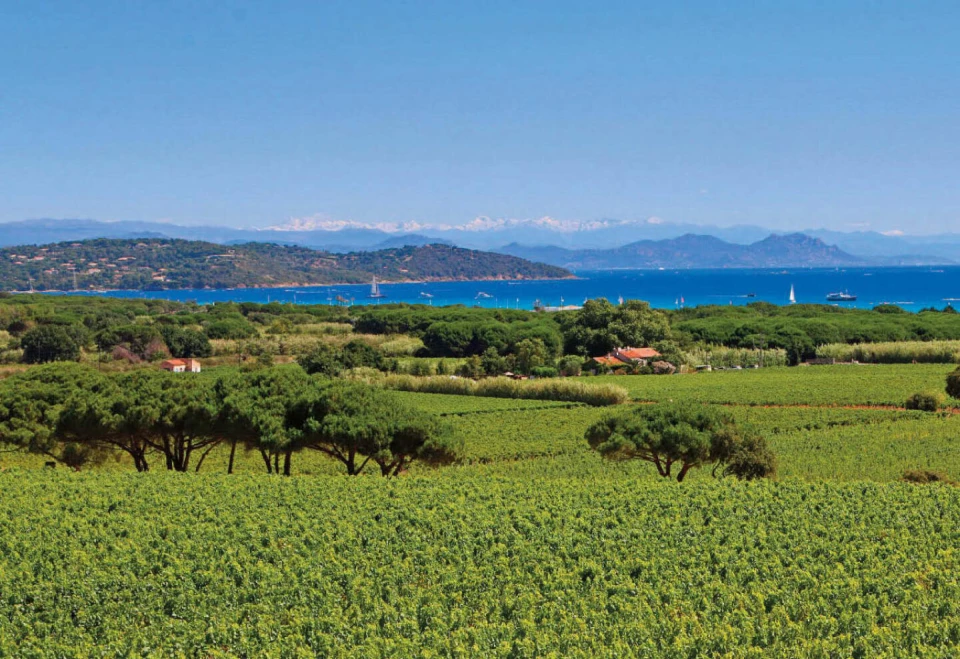
In Provence, wine goes far beyond the light rosés that make summer dreams: each wine reflects a unique terroir. From the rocky hills of the Var to the steep slopes of Cassis, the vineyards tell a story shaped by the sun, the Mistral wind, and the diversity of soils. The structured reds of Bandol, the aromatic whites from Rolle, Clairette, or Sémillon, and the delicate rosés all showcase the richness and variety of the region. With eight AOPs and nine IGPs, each wine expresses the winemakers’ expertise, from gentle pressing and tailored macerations to aging in vats, barrels, or amphorae. Far from clichés, the wines of Provence reveal a millennia-old heritage and a creativity that delights enthusiasts in every glass.

awt-domaine-de-lauzieres-1
vignoble-de-bandol-1
vignoble-de-saint-tropez-1

Just hearing the word Provence evokes sun-drenched hills, a gentle breeze caressing the vineyards, and the distant song of cicadas. A bit cliché? Perhaps, but Provence is much more than postcards or endless summers: it is, above all, a land of wine, famous for its rosés that grace summer tables around the world. Yet to reduce the region to just this color would be unfair: Provence also produces structured reds (like Bandol Mourvèdre) and fresh, mineral whites, offering a spectrum of flavors as diverse as its landscapes.

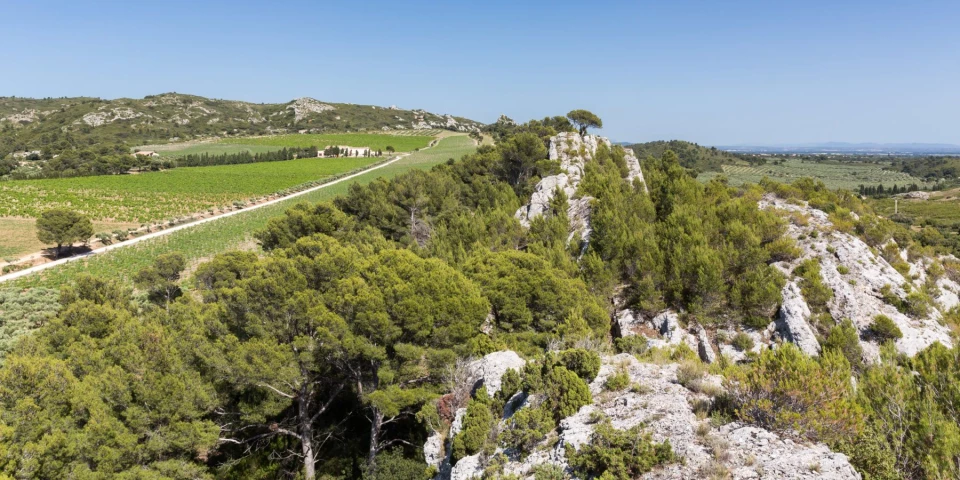
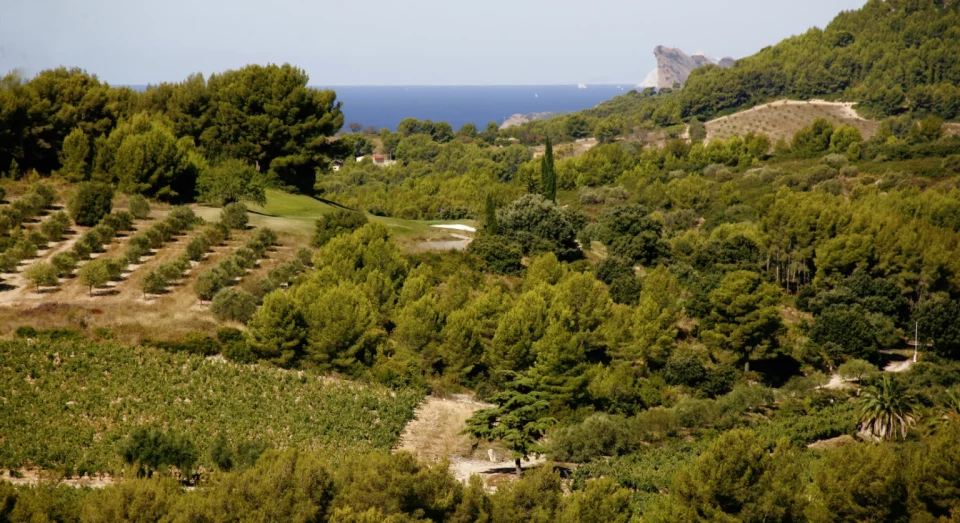
This viticultural richness is reflected in its eight protected designations of origin (AOP) – Côtes de Provence, Coteaux d’Aix-en-Provence, Coteaux Varois en Provence, Bandol, Cassis, Palette, Bellet, and Pierrevert – as well as its nine protected geographical indications (IGP). Each appellation tells a story of terroir, climate, and unique style: from the rocky hills of the Var to the steep slopes of Cassis, the sunny valleys of Aix, and the alpine slopes of Haut-Var, the diversity is remarkable.

To understand the soul of these wines, one must look back over 2,600 years, to when the Phocaeans from Greece founded Massalia, today’s Marseille. These seafarers brought the first vine cuttings and Mediterranean winemaking know-how. The wines of the time were barely colored: the grapes were crushed, but the juice stayed in contact with the skins only briefly, producing pale wines—almost early rosés. This simple yet elegant method laid the foundation of the Provençal style: wines that reflect the terroir and the southern light.
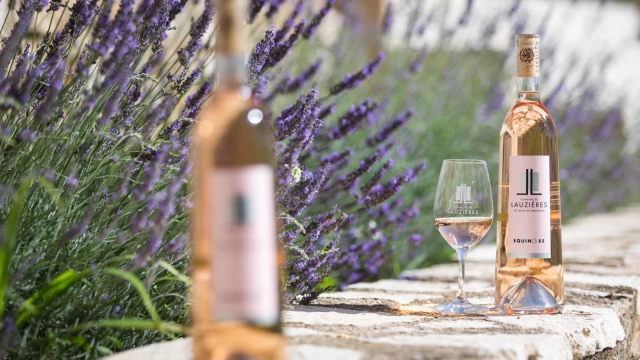
The climate plays a major role: abundant sunshine, hot summers but cool nights, scarce rainfall, and the famous Mistral—a sometimes capricious but always beneficial wind that cleanses the vineyards and concentrates the aromas. The soils are remarkably diverse: clay, limestone, sandy, or rocky, with each type imparting its own signature to the wines, influencing structure, freshness, and complexity.

The grape varieties complete this richness: for reds, Grenache, Cinsault, Syrah, Mourvèdre; for whites, Vermentino (called Rolle in Provence), Clairette, Sémillon, and Ugni Blanc.

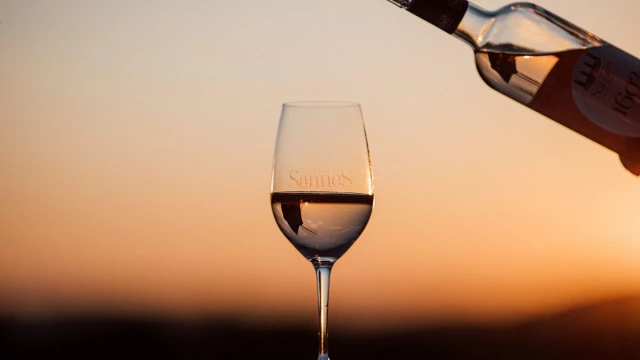
Each winemaker then adapts the vinification process according to the desired style: gentle pressing for rosés and whites, short or semi-carbonic maceration for lighter reds,

awt-domaine-de-lauzieres-4

Here’s the English translation:

or longer maceration for structured reds, such as Bandol’s Mourvèdre. The wines may be aged or not, in tank, barrel, or amphora, each choice offering a different expression. It is this diversity of methods, grape varieties, and soils that gives the beauty and richness of Provence wines.

So, Provence wines, just for the holidays? Certainly not. These are wines that have endured millennia, having seen Phocaeans, Romans, monks, and tourists, without ever losing their personality or their ability to surprise. And if the Greek gods were to return to Provence today, there is no doubt they would trade their amphora of nectar for a well-chilled glass… of rosé, of course, but the reds and whites also form the true mosaic of Provence wines.

chateau-de-sannes-vincent-agnes-2